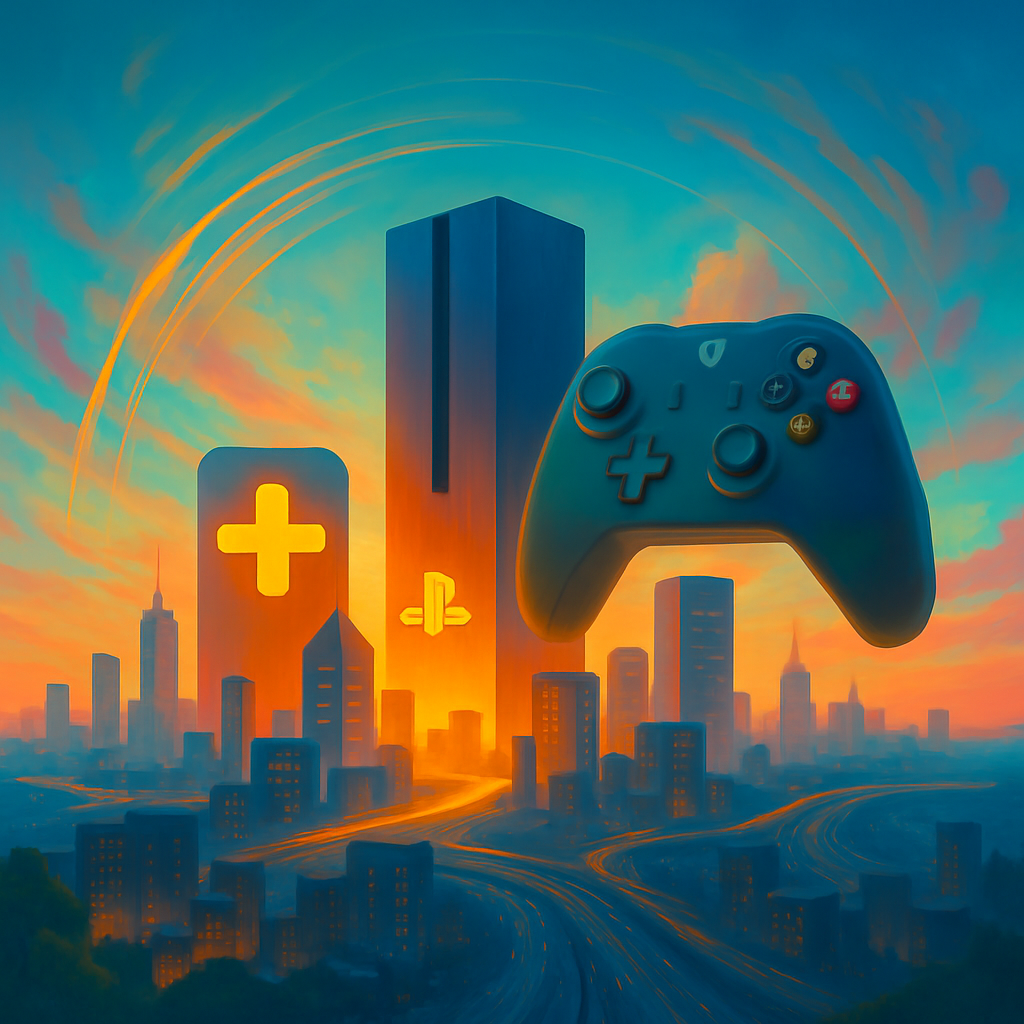
The global gaming industry is projected to hit $200 billion in revenue this year, but beneath the surface of that headline figure lies a more complex truth: the industry may be reaching a critical inflection point.
From major publisher consolidations to evolving monetization models, developers and players alike are navigating a rapidly shifting landscape. This isn’t just about growth — it’s about transformation.
Here’s what’s driving the shift and what it could mean for the future of game development, discovery, and play.
The State of Play in 2025
The gaming market is massive, but it’s also under pressure. According to a recent industry analysis, multiple trends are converging in ways that could reshape how games are made, monetized, and experienced:
● Platform consolidation (e.g., Microsoft + Activision Blizzard, Sony acquiring studios)
● Streaming and cloud gaming adoption (though not yet dominant, infrastructure is improving)
● Content saturation (with thousands of games released yearly, discoverability is a growing challenge)
● Player fatigue with microtransactions and live-service models
● Hardware transitions (Switch 2, Xbox/PlayStation refreshes)
Consolidation Is Changing the Playing Field
Acquisitions are reshaping the power dynamics of publishing. This means:
● Fewer but bigger players with more IP control
● More pressure on indie devs to differentiate or seek platform support
● Fewer mid-tier “AA” studios surviving without acquisition
For developers, this can mean more resources — but also tighter creative control or limited platform exposure.
For players, expect more exclusive content… but potentially fewer risks taken on new ideas.
Streaming & Cloud Gaming: Almost There
Cloud gaming isn’t mainstream… yet. But with tech upgrades and 5G expansion, it’s closer than ever to viable.
Services like Xbox Cloud Gaming, GeForce Now, and Amazon Luna are creating space for:
● Instant access without downloads
● Cross-device play
● More opportunities for indie games to reach low-barrier audiences
Still, the business model questions remain: Will players pay subscriptions for games they don’t own? Will latency and licensing limit core game types?
Monetization Fatigue & the Search for Value
Gamers are getting pickier. Battle passes, DLC overload, early access, deluxe editions — many players are growing skeptical of value.
New directions emerging:
● One-time purchase games with high replayability
● Games-as-platforms (e.g., Roblox, Fortnite Creative)
● Transparent monetization and clear content roadmaps
● Player-first discovery platforms like Kodex that surface hidden gems without ad bias
Players want to feel in control again — of their wallets and their libraries.
The Hardware Refresh Cycle Is Looming
By late 2025, most major platforms will be entering or nearing refresh cycles:
● Nintendo Switch 2
● PlayStation 5 Pro and new Xbox Series hardware are heavily rumored
● PC upgrades continue with AI-powered GPU and CPU tools emerging
What this means for developers:
● More capabilities, but also more platforms to optimize for
● Increasing pressure to stand out visually and technically
What this means for players:
● Higher fidelity, faster loading, but also possible platform fragmentation and cost concerns.
Discovery Is the Next Industry Frontier
With all these shifts, game discovery is becoming the next major battleground.
Thousands of new games launch each year, yet many go unseen — buried under storefront algorithms, social media noise, and streaming hype.
Platforms like Kodex are rethinking this:
● AI-powered discovery based on what you’re looking for
● Curated collections from real curators
● A single place to launch games across services
Whether you’re a developer trying to get noticed or a player overwhelmed by options, the future of gaming depends on surfacing the right game for the right player, at the right moment.
What Comes Next?
The gaming industry isn’t collapsing — it’s evolving. In fact, some of the most exciting opportunities are emerging from this period of change:
● Indie developers breaking through via niche platforms and stylized games
● Players organizing around community-built libraries and lists
● New monetization models that reward time and engagement over transactions
● Smarter discovery tools that prioritize user experience, not just ad dollars
FAQ: Gaming Industry Trends & Outlook
Q: Is the $200 billion figure sustainable?
Not indefinitely. Growth is slowing, and consolidation may compress certain segments. But new technologies and formats could open fresh revenue streams.
Q: How can indie devs compete in this climate?
By leaning into focused, well-scoped projects, cultivating community early, and using platforms that amplify visibility outside traditional storefronts.
Q: What’s the biggest opportunity right now?
Discovery. Helping players find the right game and helping devs find the right audience is the next big unlock.
Q: How does Kodex fit into this future?
Kodex connects players to games they’ll actually enjoy, across platforms, using smarter search, mood filters, and curated discover.